

Pet owners often have understandable concerns when anesthesia is recommended, especially for dental care. At Cheaha Animal Hospital in Oxford, AL, questions about safety are among the most common when discussing professional dental procedures. Understanding why anesthesia is used and how safety is prioritized can help ease worries and highlight its important role in protecting a pet’s health.
Why Anesthesia Is Necessary for Pet Dental Care
Dental procedures for pets are very different from a quick tooth cleaning at home. Thorough dental care requires cleaning below the gumline, evaluating each tooth, and addressing painful or infected areas that are not visible on the surface. Anesthesia allows veterinarians to perform these tasks safely and effectively without causing stress or discomfort to the animal. It also ensures the pet remains completely still, reducing the risk of injury during delicate dental work.
Safety Measures Before Anesthesia
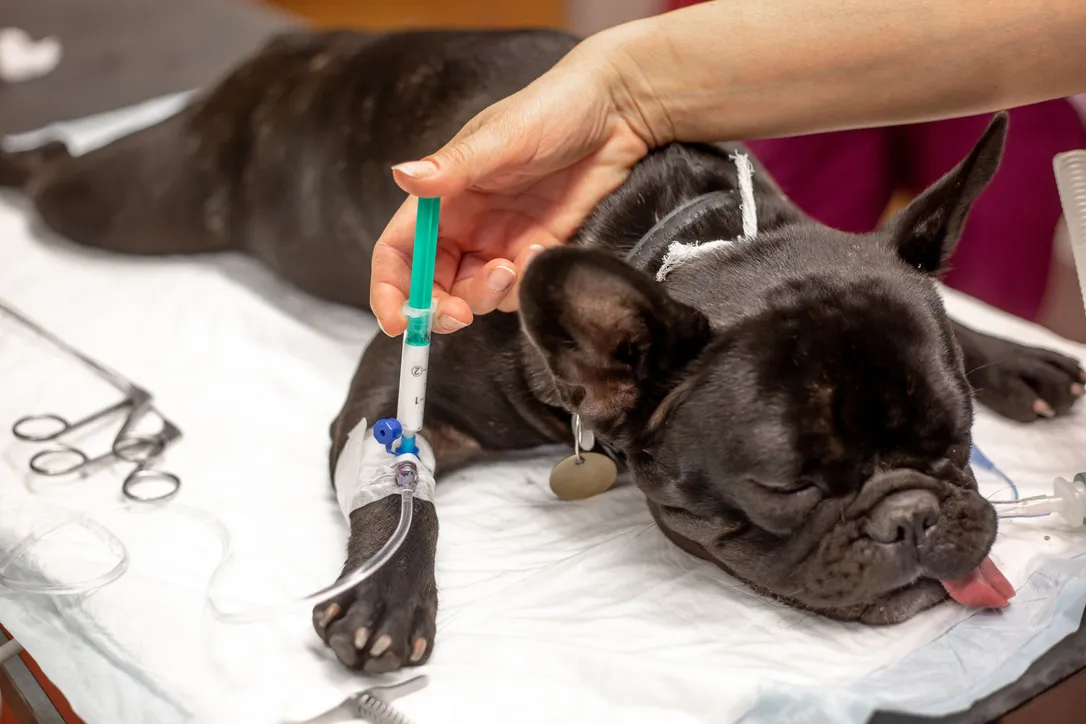
Modern veterinary anesthesia is highly advanced and carefully planned. Before any dental procedure, pets undergo a comprehensive physical examination to assess overall health. Pre-anesthetic testing, such as blood work, helps evaluate organ function and identify potential risks. These steps allow the veterinary team to tailor anesthesia protocols to each pet’s age, size, and medical history, significantly improving safety outcomes.
Monitoring During the Procedure
Once a pet is under anesthesia, continuous monitoring is a critical part of the process. Heart rate, oxygen levels, blood pressure, and breathing are closely observed throughout the procedure. Trained veterinary staff remain with the pet at all times to ensure stability and respond immediately to any changes. This level of monitoring makes anesthesia for dental procedures far safer than many pet owners realize.
Recovery and Aftercare
After the dental procedure is complete, pets are carefully monitored as they wake up from anesthesia. Most pets recover smoothly and are alert within a short period. Mild grogginess is common but typically resolves within a day. Post-procedure instructions are provided to support comfort at home and promote proper healing, including guidance on feeding and activity levels.
Weighing Risks Against Benefits
While no medical procedure is entirely without risk, the risks associated with untreated dental disease are often far greater. Dental infections can lead to chronic pain, tooth loss, and bacteria entering the bloodstream, potentially affecting the heart, liver, and kidneys. When anesthesia is managed properly, the benefits of professional dental care strongly outweigh the risks for most pets.
A Commitment to Your Pet’s Safety
Veterinary teams take anesthesia safety seriously, especially during dental procedures that play a vital role in a pet’s overall health. Open communication and individualized care ensure that each pet receives the safest approach possible.
If you have concerns about anesthesia or your pet’s dental health, schedule an appointment with Cheaha Animal Hospital in Oxford, AL, at (256) 831-5768. A professional evaluation can help determine the safest and most appropriate dental care plan to keep your pet healthy and comfortable.
